You Probably Don't Need a Panel Upgrade
The most expensive lie in home electrification is that you need a $5,000-$10,000 electrical panel or service upgrade before you can install a heat pump. After overseeing thousands of installations, I can tell you: it's almost never true. You can electrify nearly any home on 200 amps. And with some creativity, 90% of the time you can do it on 100 amps.
The dirty secret about your electrical panel
The average American home uses about 4% of its panel's rated capacity at any given moment.
Read that again. Four percent.
Your 200-amp panel can deliver 200 amps simultaneously. But the reality is that your furnace, water heater, dryer, oven, and AC almost never run at the same time. Your actual peak demand is a fraction of the theoretical maximum. This is the fundamental insight that most contractors either don't understand or choose to ignore: load calculations based on nameplate ratings dramatically overstate actual demand.
The National Electrical Code knows this. NEC Section 220.87 allows electricians to use actual measured demand (over a 30-day period) instead of worst-case nameplate calculations when evaluating existing installations. The results are often dramatically different from the standard calculation. A home that "needs" a 200-amp upgrade based on nameplate math might show a measured peak of 60 amps.
But here's the problem: most electricians don't do 220.87 load studies. They run the standard calculation, it comes out over capacity, and they tell you to upgrade your panel. It's not malicious. It's just the path of least resistance, and it happens to be the most expensive path for you.
What actually matters: amps, spaces, and service
Before we get into solutions, let's clarify three things people constantly confuse:
- Service amperage is the maximum power your utility delivers to your home (typically 100A or 200A). Upgrading this requires utility involvement and can cost $5,000-$15,000 and take months.
- Panel amperage is the rating of your breaker panel. This can sometimes be upgraded independently of the service.
- Panel spaces are the physical slots for breakers. A full panel doesn't necessarily mean you're out of capacity. It might just mean you're out of slots.
These are three completely different constraints, and each has different solutions. A contractor who says "you need a panel upgrade" without specifying which constraint they're hitting is either being lazy or doesn't understand the difference.
What electrification actually means for your panel
Let's be concrete about what "electrifying" each appliance typically requires at the panel:
Most electrification projects involve adding a dedicated 240V circuit with the appropriate breaker size. A heat pump outdoor unit typically needs a 30-40A 240V circuit with a manual disconnect switch mounted near the unit (required by code for service access). A heat pump water heater needs a 30A 240V circuit. An EV charger needs a 40-50A 240V circuit. An induction stove needs a 40-50A 240V circuit.
But here's where it gets more nuanced than most contractors explain:
- Ducted heat pump air handlers are wired differently depending on the system. Some ducted systems power the indoor air handler from the outdoor unit's circuit, meaning one circuit serves both. Others require the air handler to have its own dedicated circuit. If your system needs electric resistance backup heat strips (common in cold climates for those extreme-cold days), that's potentially another 240V circuit at 15-30A depending on the kW rating. That's the difference between needing one breaker and needing three. Ask your installer before they quote.
- Manual disconnects are required by code near the outdoor unit. They're cheap ($20-40) but add to the installation scope. Some jurisdictions require them for other large appliances too.
Surge protection: think about this now
While you're adding circuits, think about surge protection. A single lightning strike or grid surge can destroy a $5,000 heat pump or $2,000 induction stove instantly. You have two options, and the smart move is both:
- Whole-home surge protection installs at the panel (a Type 2 SPD). It protects everything downstream. Costs $100-300 for the device plus installation. This should be standard on every panel in America and it's baffling that it isn't.
- Point-of-use surge protection at individual circuits or outlets protects specific high-value equipment. Especially important for heat pumps and EV chargers with sensitive electronics.
If you're adding circuits anyway, adding a whole-home surge protector at the same time is a no-brainer. Most electricians can install one in 15 minutes while they're already in the panel.
The creative toolbox: how to avoid the upgrade
Here's every tool available to you, roughly ordered from cheapest and simplest to most involved:
1. Tandem and quad breakers
Problem solved: Out of physical panel spaces.
Tandem breakers (also called duplex, cheater, or twin breakers) fit two circuits into one breaker slot. Quad breakers fit four. If your panel accepts them, you can free up 2-6 spaces for about $50-100 per breaker. This is the simplest solution when the constraint is physical space, not amperage.
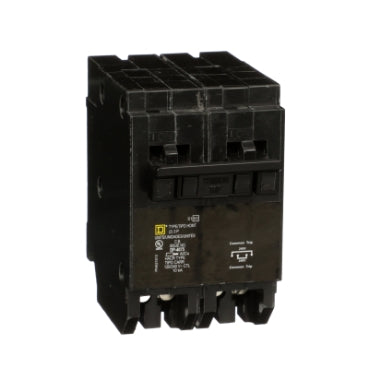
But there are real complications here that most guides gloss over:
- Not all panels accept tandems in all positions. Every panel has a labeling diagram inside the door showing which slots allow tandem breakers. A Square D Homeline has different tandem positions than a Siemens or Eaton CH. Your electrician needs to check the specific panel model, not just the brand.
- AFCI and GFCI requirements complicate everything. Modern code (NEC 2020+) requires AFCI protection on most bedroom and living area circuits, and GFCI on kitchens, bathrooms, garages, and outdoor circuits. AFCI tandem breakers exist but they're more expensive ($80-120), bulkier, and not available for every panel brand. GFCI tandems are even rarer. If the circuits you want to consolidate require arc-fault or ground-fault protection, a simple tandem swap might not be possible without upgrading the breaker type.
- Manufacturer lock-in is real. You can't put a Square D breaker in a Siemens panel. Each manufacturer has their own breaker form factor, and their tandem/quad options vary significantly. Some older panel models have been discontinued and compatible tandems are hard to find. If your panel is a Murray, Challenger, or Westinghouse, your options may be limited.
An electrician who knows your specific panel brand and model can tell you what's possible in five minutes. One who doesn't will tell you to replace the whole panel in five minutes.
2. Load-sharing and splitting devices
Problem solved: No available breaker space or capacity for a new large load.
These devices let two large appliances share one circuit by automatically switching between them. Since your oven and EV charger are almost never on at the same time, they can safely share a breaker. The technology has matured dramatically in the last two years.
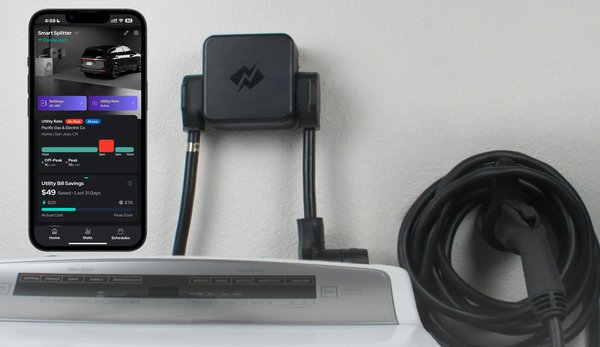
NeoCharge
Smart Splitter: shares a 240V outlet between dryer and EV charger. $329, 10-minute install, no electrician needed. UL-listed. The simplest entry point.

simpleSwitch
UL-listed load management between any two 240V appliances. Installs at the panel. When the primary device runs, the secondary pauses automatically.
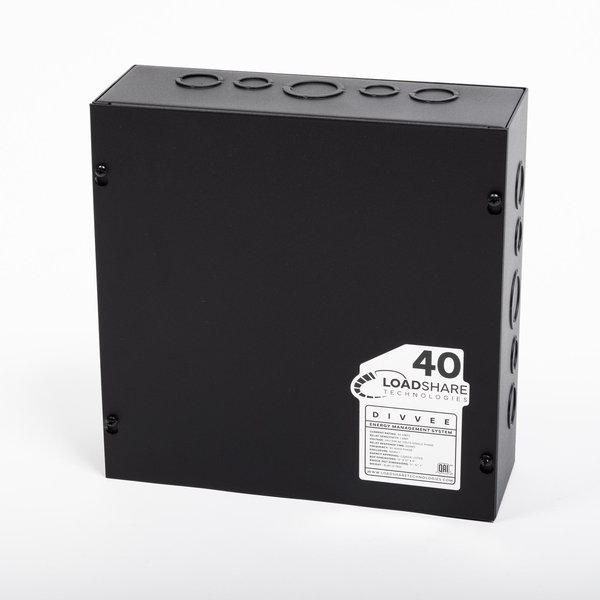
DIVVEE (Loadshare Tech)
Shares your stove breaker with an EV charger. 40A and 60A models. Certified safe. Your stove is off 23 hours a day. Use that capacity.
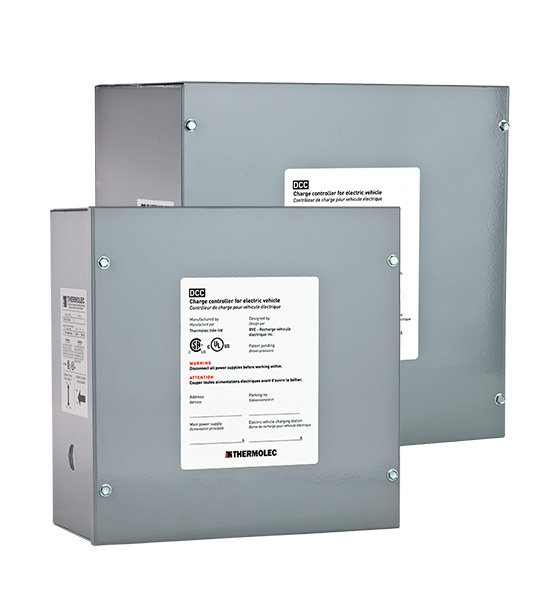
DCC Electric
CT-based energy management. Monitors total panel load and sheds EV charger at 80% capacity. UL/CSA certified. Ideal for condos and full panels.
3. Dynamic load management
Problem solved: Total panel amperage is the constraint, not spaces.
This is the next level beyond simple load sharing. Instead of binary on/off switching, dynamic load management continuously adjusts power to multiple devices in real time based on actual demand. It's the difference between a traffic light (stop/go) and a traffic circle (everyone moves, just at different speeds).
Stepwise
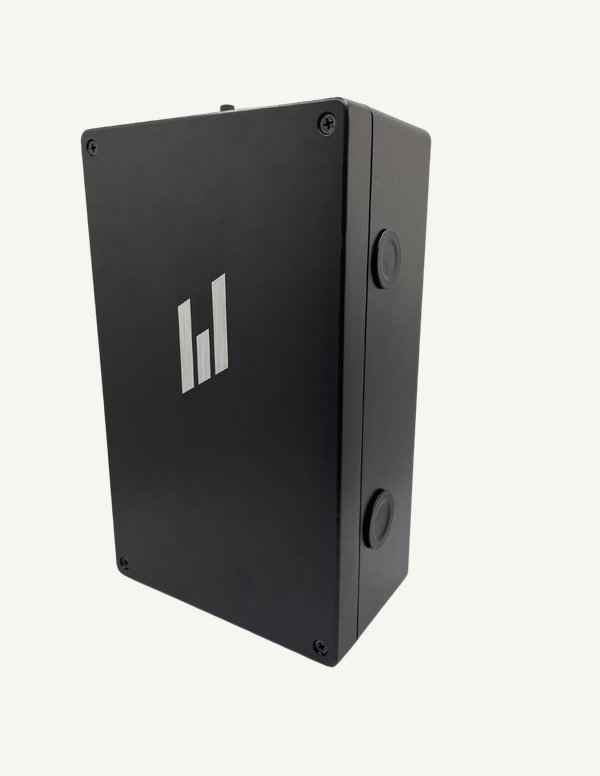
EV Tap dynamically adjusts charging power in real-time based on what else is running. Not just on/off. Continuous modulation. Founded by an MIT Sloan grad.

Lumin
Panel Guard turns any existing panel into a smart panel. Monitors every circuit, auto-sheds loads to stay within capacity. No panel replacement needed.
4. Subpanels
Problem solved: Main panel is full but service amperage has headroom.
A subpanel is a secondary breaker panel fed from your main panel. It costs $500-$1,500 installed and gives you additional breaker spaces without touching your main panel or utility service. If your 200A service has capacity but your panel is physically full, a subpanel is often the right answer.
A subpanel in the garage is a common approach for EV charging: run a single large feed from the main panel to a small subpanel near the charger location.
5. Smart panels (full replacement)
Problem solved: Multiple constraints at once, or you want whole-home energy intelligence.
If you're going to do a panel replacement anyway, consider a smart panel. These are full panel replacements that add circuit-level monitoring, remote control, load management, and integration with solar, batteries, and EV chargers. They're more expensive than a standard panel ($3,000-$6,000+ installed) but they solve the capacity problem permanently and give you data and control that traditional panels can't.
Span
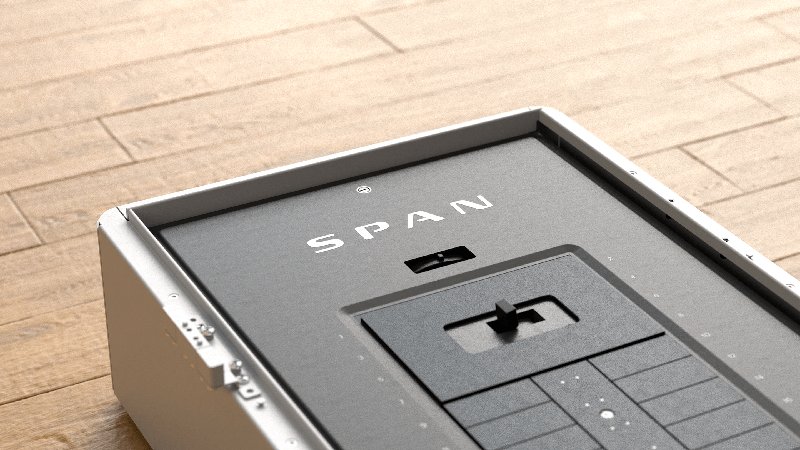
The category leader. PowerUp software enables electrification on existing 100A service without utility upgrades. $75M investment from Eaton. First UL 3141 certified smart panel.
Leviton
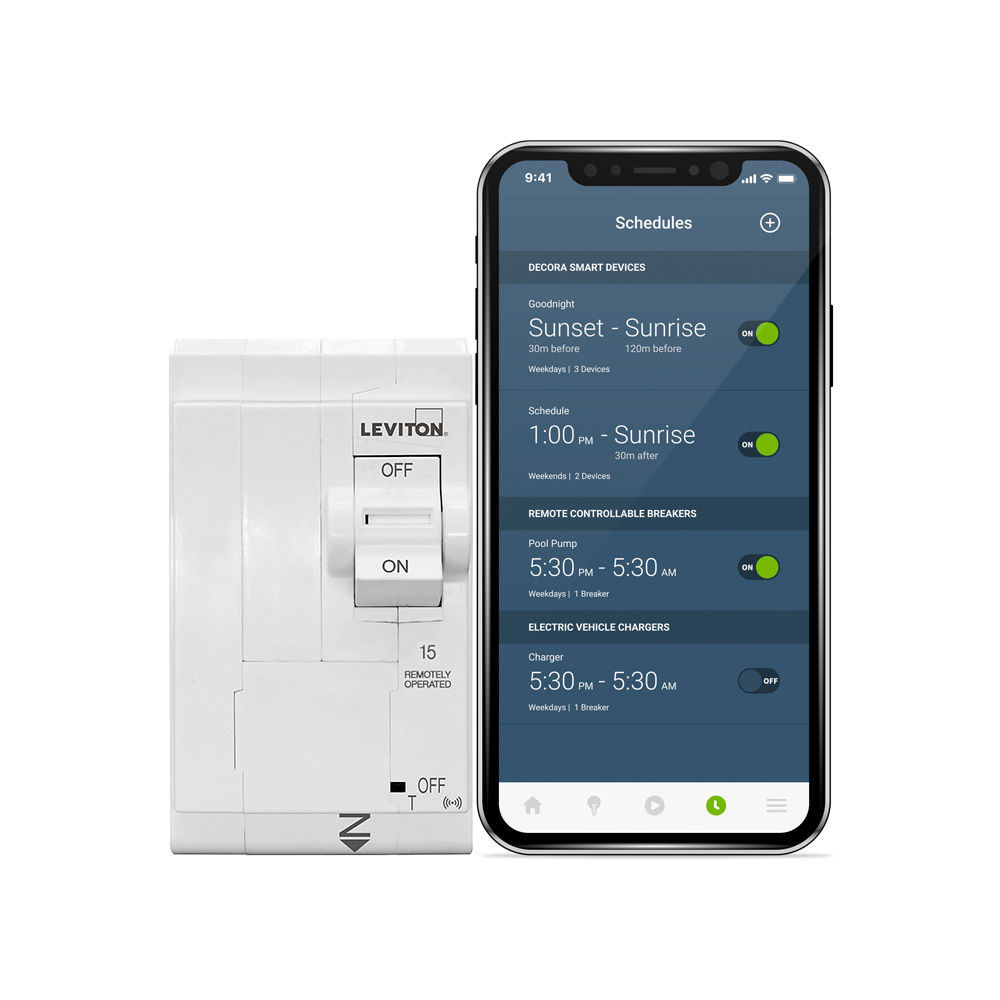
2nd gen smart breakers with remote on/off, energy monitoring, scheduling. Retrofits into Leviton load centers. Requires their Whole Home Energy Monitor.
Eaton Brightlayer
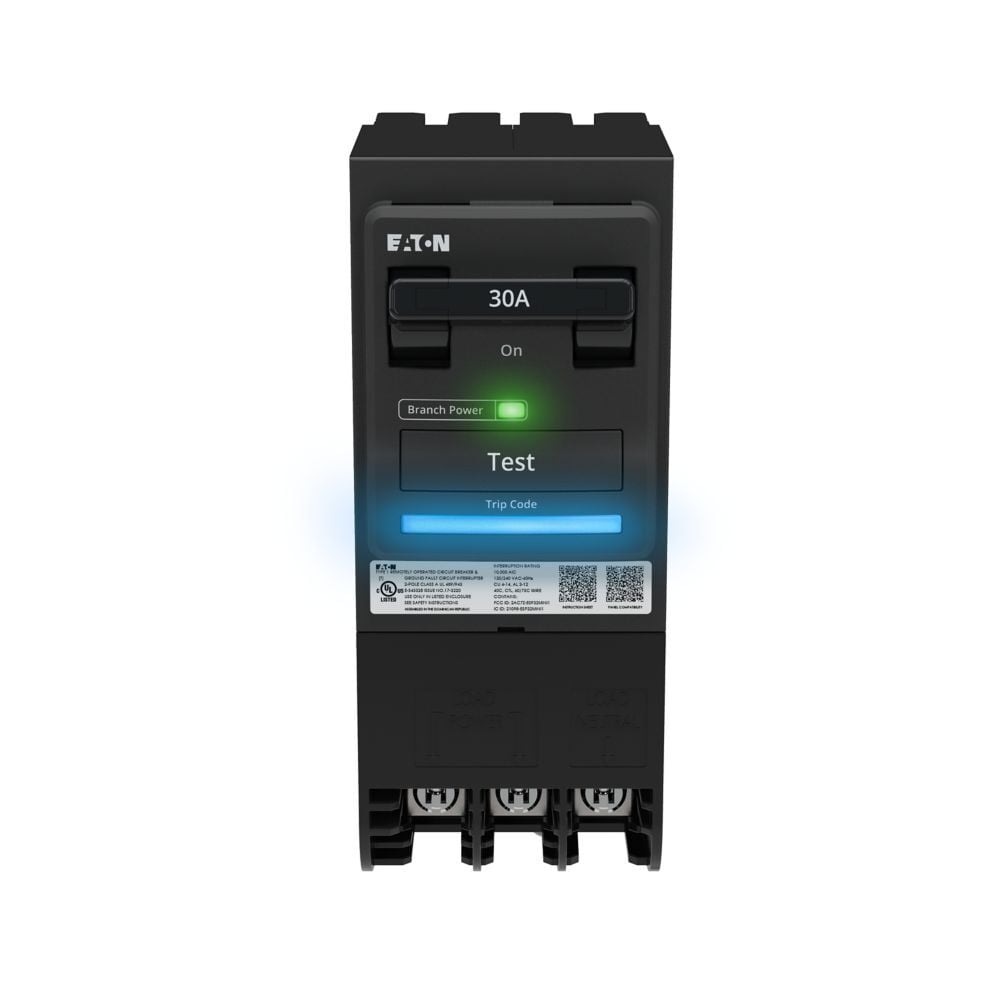
AbleEdge smart breakers with the Brightlayer Home app. Energy monitoring, fault detection, remote control. Now partnered with Span for next-gen solutions.
6. Know your actual load (before deciding anything)
Before spending money on any of the above, spend $100 on data.
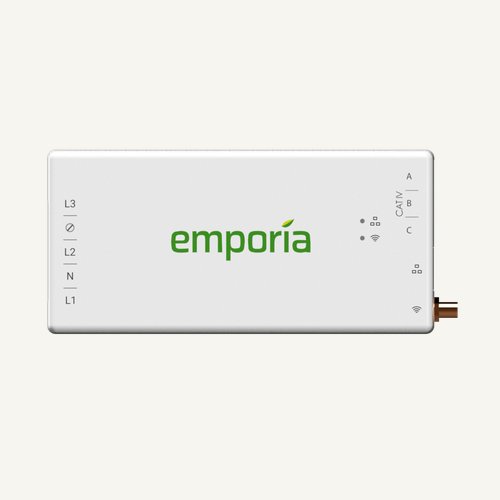
Emporia Vue
$100 whole-home energy monitor. Clamps onto your panel mains + up to 16 circuits. See exactly what each appliance draws, when. Real data beats assumptions every time.
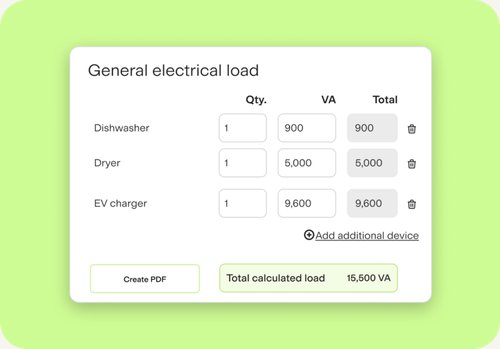
Kopperfield
Professional load calculation software for electricians. NEC standard and optional methods. Pre-loaded with common appliance defaults. What your electrician should be using.
Bring your spec sheets: inspectors are learning too
Here's something nobody warns you about: many of these technologies are new enough that your local building inspector may not have seen them before.
Load-sharing devices, smart panels, dynamic load management systems, even certain tandem breaker configurations in specific panel brands. These are all code-compliant, UL-listed products. But an inspector who hasn't encountered a simpleSwitch or a Span Panel before may flag it, ask questions, or want documentation before signing off.
The fix is simple: have the spec sheets, UL listing numbers, and installation manuals on hand at every inspection. Print them. Put them in a folder at the panel. Your electrician should be doing this, but if they're installing these products for the first time, they might not think of it.
This isn't a reason to avoid the technology. It's a reason to be prepared. The code is catching up (the 2026 NEC and UL 3141 specifically address smart load management), but individual inspectors operate on what they know. Make it easy for them to say yes.
The decision tree
Here's how I'd think through it:
- Install an energy monitor (Emporia Vue or similar). Run it for 30 days. Know your actual peak demand, not a theoretical one.
- Count your open breaker spaces. If you have 2+ open spaces, you might just need to add a breaker. Done.
- If the panel is physically full, check if tandem/quad breakers are accepted in your specific panel model. If yes, swap a few out. $50-100 per breaker, but check AFCI/GFCI requirements for those circuits first.
- If you need a large new load (EV charger, heat pump) and the panel is at capacity, try a load-sharing device first. NeoCharge, simpleSwitch, or DIVVEE. $200-$500 vs. $5,000+.
- If you have multiple large loads to add, consider dynamic load management (Stepwise, Lumin) or a subpanel.
- If you're doing a full renovation or your panel is genuinely unsafe (Federal Pacific, Zinsco, corroded), then yes, replace the panel. And make it a smart panel while you're at it.
- A service upgrade (100A to 200A) should be the absolute last resort. It requires utility coordination, new wiring from the street, possibly a new meter base, and months of lead time. Exhaust every other option first.
The real barriers (hint: they're not electrical)
The biggest barrier to home electrification isn't the panel. It's the information gap.
Homeowners don't know what options exist. Contractors don't know (or aren't incentivized to recommend) the creative solutions. Utilities are slow to update their interconnection processes. And the NEC code, while improving, still makes it easier to do a full upgrade than to use smart load management.
But the technology is here, it's UL-listed, it's code-compliant, and it's a fraction of the cost of a panel upgrade. The companies in this article are building the future of home electrical infrastructure. The old model of "is your panel big enough?" is being replaced by "is your panel smart enough?"
And if your electrician doesn't know about any of the products in this article, find a different electrician.